
Car Care
Maintenance Tips
Keep your engine running smoothly with these essential tips.
Why are oil changes important?
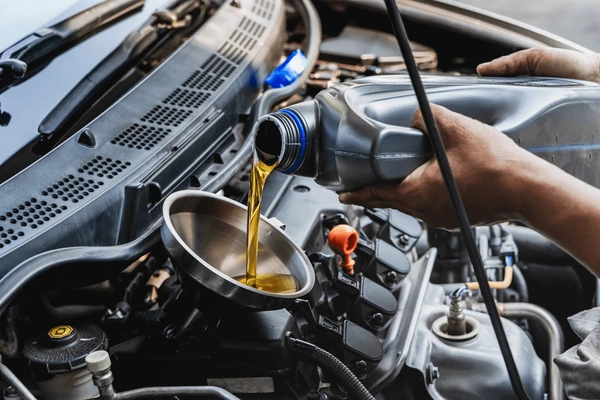
Oil is the lifeblood of your engine. It lubricates moving parts, reduces friction, and helps regulate engine temperature. Over time, oil breaks down and collects dirt and debris, which can lead to increased wear and tear, reduced fuel efficiency, and eventually, engine failure. Regular oil changes ensure your engine stays clean, protected, and performing at its best.
When should you change your oil?
The frequency of oil changes depends on your vehicle's make, model, year, and driving conditions.
- Standard Oil: Typically every 3,000 to 5,000 miles.
- Synthetic Blend: Usually every 5,000 to 7,500 miles.
- Full Synthetic: Can last 7,500 to 10,000 miles or more.
Always consult your owner's manual for the manufacturer's specific recommendations. If you drive in severe conditions (stop-and-go traffic, extreme heat, towing), you may need to change it more frequently.
Signs you need an oil change
- Check Engine or Oil Change Light: The most obvious warning sign.
- Dark, Dirty Oil: Fresh oil is amber; dirty oil is dark brown or black.
- Engine Noise: Knocking or ticking sounds can indicate poor lubrication.
- Exhaust Smoke: Blue or gray smoke can signal an oil leak or burning oil.
- Oil Smell: A strong smell of oil inside the car could mean a leak.